Inside the Maraging Steel Supply Chain Process: How Smart Planning Cuts Lead Time from 10 Weeks to 1
May 4th 2026
In the world of specialty metals, every week counts. When a manufacturer depends on the maraging steel supply chain process, even small delays can slow down entire projects. Aerospace and defense companies, in particular, need their material on time and built to exact specifications.
At Niagara Specialty Metals, what once took ten weeks can now happen in just one. By refining every step of the maraging steel supply chain process, the company has turned a slow, complex workflow into a fast, dependable system without ever compromising quality.
Vice President Tim Gelnett explains how clear communication, forecasting, and fixed processing have turned Niagara’s maraging steel program into one of the fastest, most dependable in the industry.
How the Maraging Steel Process Starts
Every successful supply chain begins at the source. Niagara buys each slab of maraging steel from trusted melt producers who meet strict aerospace standards.
“We buy the slab from a melt source,” Tim explains. “It’s usually four or five inches thick and maybe fifteen inches wide.”
Each slab can weigh several thousand pounds and must be cut to fit Niagara’s smaller rolling mill. This hands-on approach allows the company to handle everything from small test batches to full truckloads while maintaining precision.
Once the slabs are sized, Niagara hot-rolls them into sheet or plate. For grades like C250 and C300, that step requires tight temperature control and skilled handling. These alloys demand careful attention to heat, pressure, and direction of rolling to ensure they meet final strength targets.
The Power of Blanket Orders
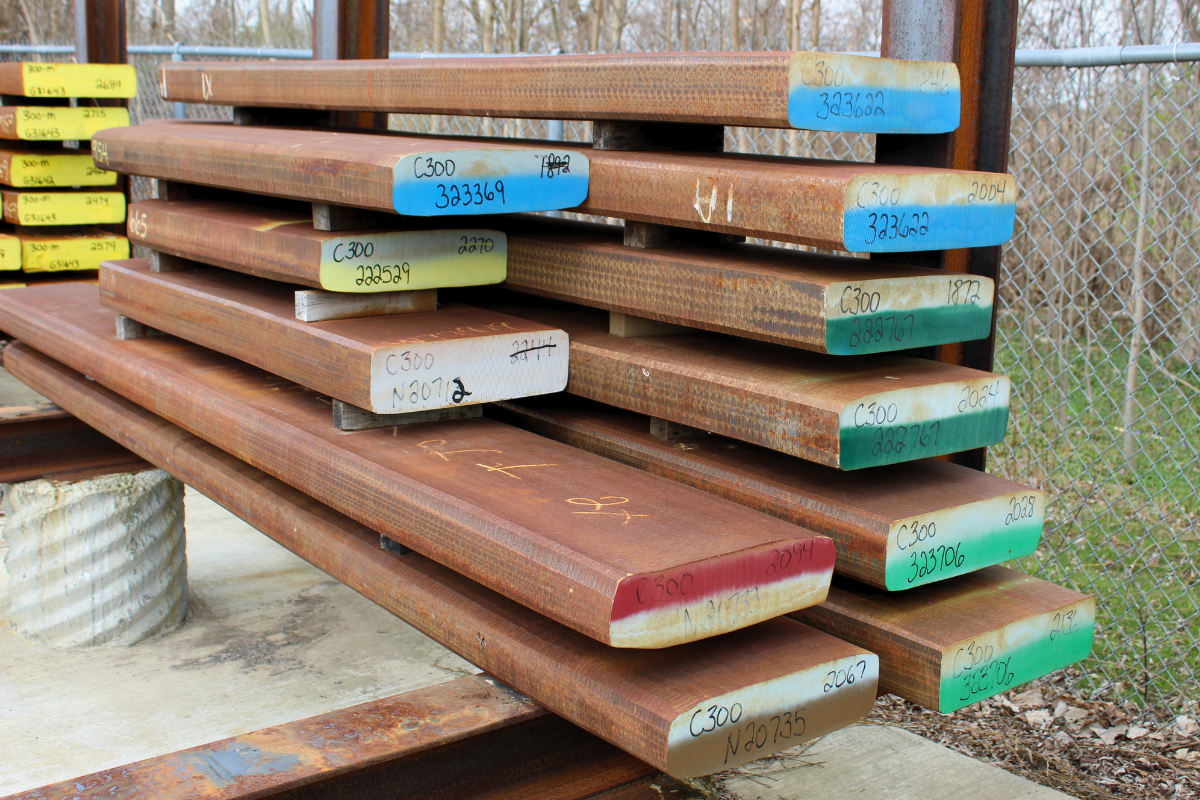
Traditional steel orders move slowly. Between melting, rolling, and testing, the average turnaround can reach ten weeks. To shorten that timeline, Niagara introduced blanket order programs that keep approved stock ready for release.
“We want to be like a grocery store,” Tim says. “Pull the sheet out of stock, cut it, and ship it right away.”
This proactive model keeps the maraging steel supply chain process running smoothly. Each heat is tested and certified in advance, so when a customer places an order, Niagara cuts and ships within days, not months.
That means no waiting on new melts or long lab approvals. By removing these steps from the critical path, Niagara cuts total lead time from ten weeks to one.
Forecasting That Keeps Production Moving
High-performance alloys take time to make, sometimes a full year from melt to finished slab. That’s why Niagara uses monthly forecasting to predict exactly when new material will be needed.
“It’s a high-value product,” Tim explains. “I’ve got to make sure the slab is ordered well ahead of time.”
The company reviews each customer’s usage history, pound by pound. That data drives smarter purchasing and scheduling decisions, ensuring there’s always enough material on hand for upcoming releases.
By combining accurate forecasting with consistent communication, Niagara protects its customers from supply disruptions while minimizing waste and excess inventory.
Precision Rolling and Quality Control
Once the steel is ready for rolling, Niagara follows a fixed process developed through decades of experience. Every pass through the mill is carefully timed and temperature-controlled.
“You can’t just heat it up and spit it out of the mill and think that you’re going to get properties,” Tim says.
Each batch undergoes cross-rolling to balance strength and ductility. After rolling, certified labs verify mechanical and chemical properties. The lab results confirm that the steel meets or exceeds specifications before shipping.
This strict control guarantees that every sheet of maraging steel performs exactly as expected, whether it’s bound for an aircraft component or a missile system.
Why the Process Matters
Maraging steels like C250 and C300 aren’t everyday materials, they’re designed for environments where safety and performance matter most. Components made from these alloys endure massive loads, high temperatures, and constant vibration.
If the process is off by even a few degrees, the metal could fail to meet the required properties. Niagara’s fixed procedures, qualified labs, and experienced operators prevent that from happening.
Tim sums it up clearly: “If you don’t follow the process, you probably won’t hit the properties.”
Built on Trust and Long-Term Success
Many of Niagara’s maraging steel customers have been with the company for over 25 years. That level of loyalty comes from consistent results and a shared commitment to quality.
“It’s been a great setup,” Tim says. “We’ve worked with this customer for decades, and the trust goes both ways.”
Because Niagara controls the entire maraging steel supply chain process, from sourcing to certification, customers know they’ll receive their material on time and within spec—every order, every time.
Conclusion
The maraging steel supply chain process is complex, but Niagara Specialty Metals has mastered it through preparation and precision. By forecasting needs, qualifying materials in advance, and maintaining strict rolling standards, Niagara turns what used to be a slow, uncertain process into a dependable, one-week turnaround.
Customers gain more than steel, they gain confidence that every pound meets the highest standards for aerospace and defense.
As Tim Gelnett puts it: “We want to be ready before the customer even calls.”
Looking to learn more about Niagara Specialty Metal's maraging steel or aerospace titanium? Check out some of our related blogs here:
Meet Carl Stroud: The Metallurgist Driving Aerospace & Industrial Growth at Niagara Specialty Metals
Trusted Source for High-Performance Aerospace Steel
How Niagara Produces Aerospace Grade Specialty Steel with Precision
For more information, check out our other blogs.
Click here to view our product catalog at our updated e-commerce store!
Interested in additional information on knife steel or CPM® MagnaCut stainless steels? Click here!