Billet Saw Cutting: Why the First Step Matters
Oct 5th 2026
Billet saw cutting is one of the first production steps for many orders at Niagara Specialty Metals. It prepares the correct amount of material for rolling while helping protect material yield, dimensions, and traceability from the start.
For customers, this step matters. Specialty metals may go through several operations before reaching their final size and condition. Therefore, the team must begin with enough of the correct material to support each later stage without creating unnecessary waste.
Niagara President and CEO Bob Shabala and Billet Saw Operator Dave Lewis explain that the process involves more than simply cutting a large piece of metal. The team must verify the material, prepare the correct billet size, monitor the cut, and maintain identification before the material moves into its next required operation.
What Is the Purpose of Billet Saw Cutting?
Billet saw cutting prepares the amount and size of material needed to begin an order. The goal is to give the rolling team the right starting point for the customer’s finished product.
When Niagara receives an order, the production team first reviews the customer’s requirements. The order then moves into production with a work order or traveler that identifies the material and processing requirements. The billet saw operator uses that information to retrieve the correct material and prepare the amount needed for the job.
At the billet saw, the operator retrieves the required material and prepares it for cutting. However, the billet is not simply cut to the customer’s final dimensions.
The material still needs to go through rolling and other processing steps. Those operations change its dimensions and condition. Because of that, Niagara must begin with a billet containing the appropriate amount of material for the manufacturing route.
Bob explains that “starting with the proper billet helps us roll the material efficiently, control dimensions, and minimize unnecessary scrap throughout the rest of the process.”
Getting that amount right helps reduce unnecessary material while giving later operations what they need to meet the customer’s finished requirements.
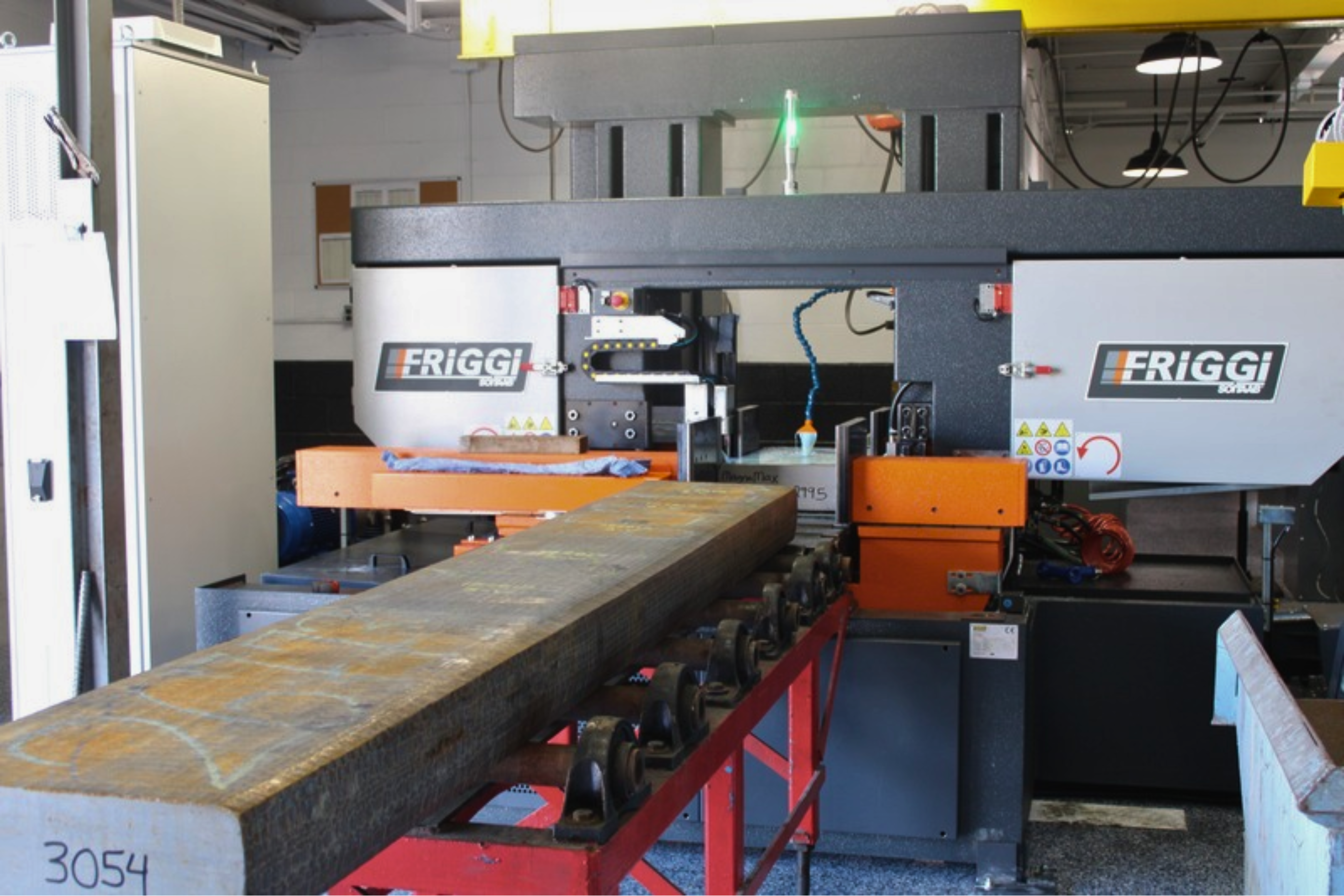
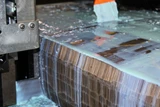
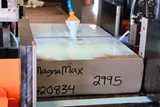
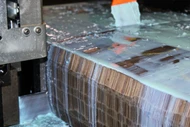
Billet positioned on the saw at Niagara Specialty Metals before moving into the next stage of processing.
Why Are Material Identification and Traceability Important?
Material traceability allows Niagara to maintain the identity of the material throughout production. This is especially important because many specialty alloys can look nearly identical, so appearance alone cannot confirm the correct grade or heat.
Before cutting begins, the team verifies identifying information such as the material grade and heat number. That information connects the billet to its original material records and certifications.
Visual appearance alone cannot reliably identify specialty metal. Therefore, Niagara maintains identification as material moves from inventory into production and through later operations.
Bob mentioned that “we process many different specialty alloys that can look identical. Before cutting, we verify the grade and heat number so the material remains traceable back to its original melt and certification throughout every operation.”
Traceability matters across many of the markets Niagara serves, including knife making, industrial tooling, aerospace, and other demanding applications.
When a billet is divided, each section must remain associated with the correct material identity. Maintaining that information helps preserve traceability through rolling, finishing, cutting, and shipment.
For the customer, traceability provides confidence that the finished material remains connected to the material originally selected for the order.
How Do Different Specialty Alloys Affect Billet Saw Cutting?
Different specialty metals do not all behave the same during cutting. Hardness, alloy content, billet size, and material condition can influence the billet saw cutting process.
Some high-alloy tool steels and specialty metals are more difficult to cut. Therefore, operators must account for the material being processed and monitor how the cut progresses.
Dave Lewis has worked at Niagara for nearly 16 years and has spent several years in the billet saw department. His experience helps him recognize signs that indicate how a cut is progressing.
For example, operators listen to how smoothly the saw blade is running. They also watch the condition of the cut edge and the chips coming off the saw, which can provide additional clues about how the material and blade are performing. Changes in those areas can indicate when something needs attention.
What matters is that specialty metal cutting requires operators who understand how different materials behave and can recognize when a cut needs attention. That hands-on experience helps Niagara prepare a wide range of specialty alloys for the processing stages that follow.
How Does Proper Billet Sizing Improve Material Utilization?
Proper billet sizing helps Niagara use the amount of material required for an order without creating unnecessary processing or scrap. Beginning with the right amount of material supports better yield throughout production.
Bob explains that the closer Niagara starts to the size and weight actually required, the less unnecessary material needs to move through later operations.
At the same time, the billet must contain enough material to support the finished dimensions and processing requirements of the order. The goal is to balance material utilization with having enough stock to successfully produce what the customer needs.
For customers, better material utilization helps reduce avoidable waste and supports a more efficient production route.
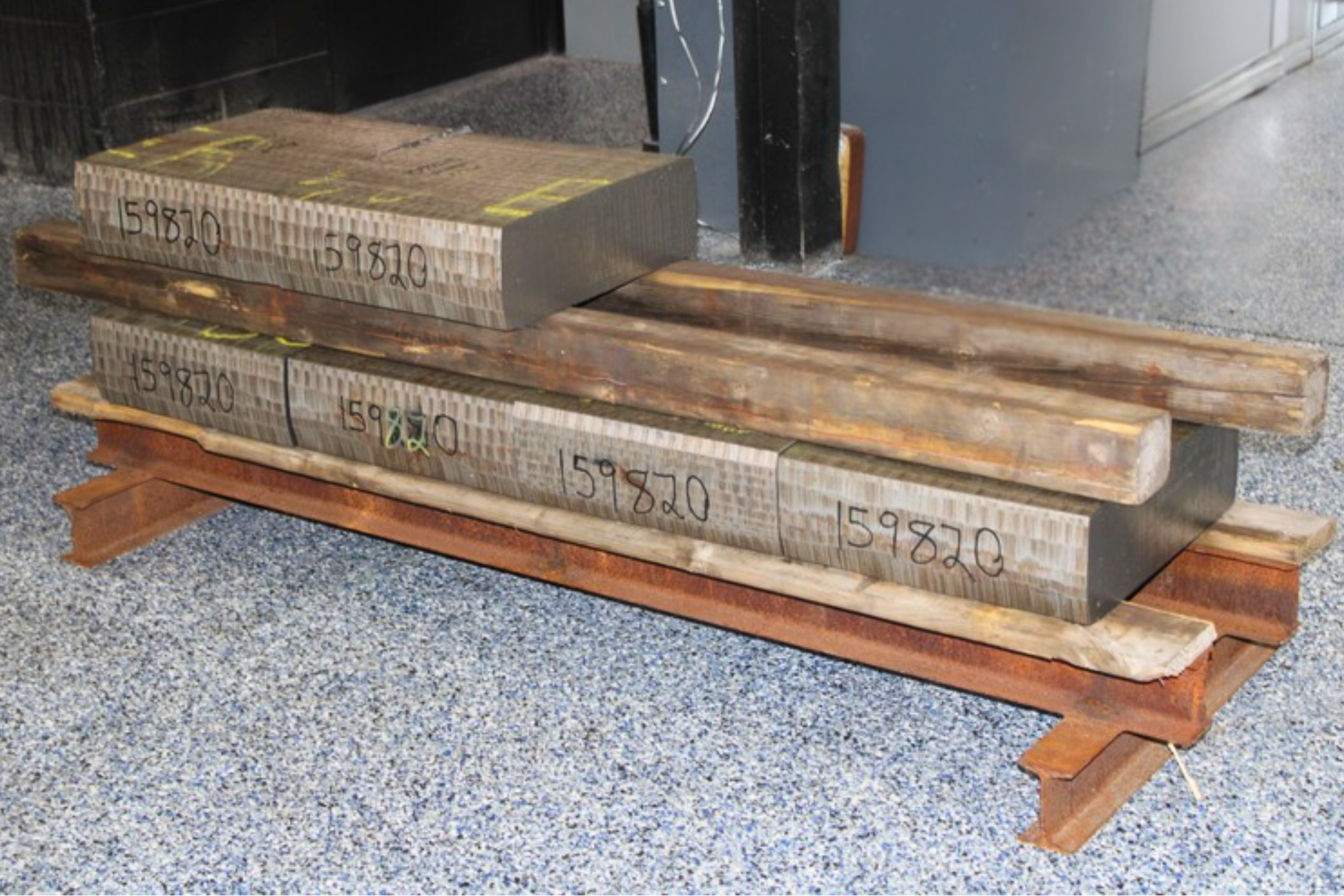
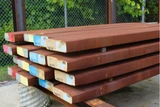
Finished cut billets stacked and ready to move to the plate mill for the next stage of production.
Billet Saw Cutting Establishes the Starting Material for Many Orders
Billet saw cutting prepares the correct specialty metal for the requirements of the customer’s order. Before the material moves forward, Niagara verifies its identity, sizes the billet appropriately, monitors the cut, and maintains traceability.
What happens next depends on the order. For many hot-rolled products, the prepared billet moves to Niagara’s plate mill, while other requirements may follow a different processing route.
Most customers will never see this early production step, but its impact carries forward. A properly sized, traceable billet helps support material utilization, processing efficiency, and consistent production from the start.
About the Guests
Bob Shabala is the President and CEO of Niagara Specialty Metals. His experience across Niagara’s specialty metal processing operations gives him a broad understanding of how material moves through production and how each process supports quality, traceability, efficiency, and customer requirements. Throughout the Process Series, Bob helps explain why each operation matters and how Niagara approaches specialty metal processing from the customer’s perspective.
Dave Lewis has worked at Niagara Specialty Metals for nearly 16 years and has spent several years in the billet saw department. As a billet saw operator, Dave works directly with specialty alloys at one of the earliest stages of production. His experience helps him recognize how different materials behave during cutting and what to watch for in the blade, cut surface, and chips to help keep the process running consistently.
Follow the Inside Niagara: Process Series and check out our YouTube channel for more content!
Looking to learn more about specialty metal processing? Check out these related blogs:
Rolling Forward: How Niagara Specialty Metals Powers High-Performance Industries
Inside Niagara Specialty Metals: Innovation, Legacy, and the Future of Aerospace and Knife Steels
Precision Cutting with Laser and Water Jet
For more information, check out our other blogs.
Click here to view our product catalog at our updated e-commerce store!
Interested in additional information on knife steel or CPM® MagnaCut stainless steels? Click here!