Metal Milling Process: Preparing Specialty Plate for Grinding
Nov 23rd 2026
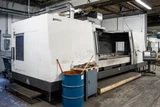
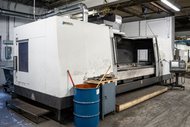
The metal milling process removes heavier surface material from specialty plate and prepares it for subsequent grinding or other finishing operations. At Niagara Specialty Metals, milling is used when plate requires more substantial stock removal before the grinding operation can achieve the final thickness, tolerance, and surface condition.
Rolling and heat treatment can leave scale, surface imperfections, or partially decarburized material that needs to be removed. Milling efficiently cuts through those affected outer layers and creates a cleaner, more consistent starting surface for grinding.
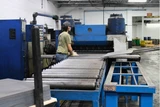
Niagara President and CEO Bob Shabala and production team member Justin Thomas explain why milling matters, how different specialty alloys respond during machining, and why operator experience is important before the material moves to grinding.
Why is Specialty Plate Milled?
Milling removes surface material that rolling and surface cleaning alone may not address. Rolling establishes the general shape and dimensions of the plate, but earlier hot-working and heat-treatment operations can leave scale-related imperfections, surface defects, or partially decarburized material.
Bob explains that milling is typically an intermediate finishing step used to remove those affected outer layers before grinding.
Decarburization occurs when carbon near the surface of certain steels is reduced during exposure to elevated temperatures. When that affected material needs to be removed, milling provides an efficient way to cut through the heavier surface layer and expose cleaner material underneath.
Justin describes the purpose in practical terms: milling removes material quickly from heavier-gauge plate until the surface is ready for the next operation.
The goal is not necessarily to achieve the final customer tolerance at the milling machine. When additional grinding is required, milling prepares the plate for the more controlled surface finishing and dimensional adjustment that follows.
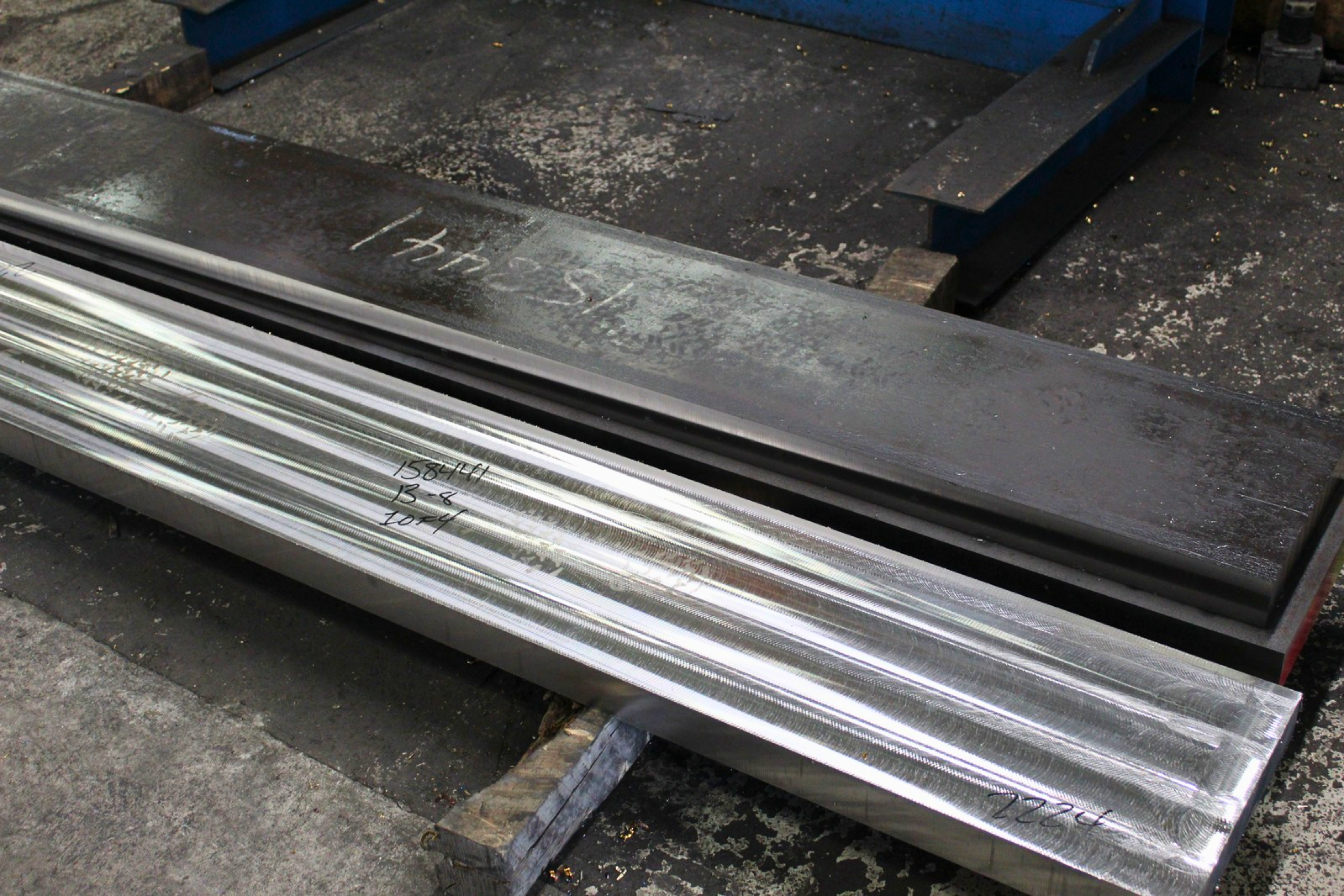
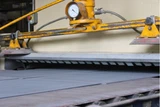
Specialty metal plate shows the difference in surface condition before and after milling at Niagara Specialty Metals.
Why Do Different Alloys Require Different Milling Considerations?
Different specialty alloys vary in hardness, strength, and machinability, so they do not all respond to milling the same way. Plate size, surface condition, and the material itself can influence how the milling operation is approached.
Bob notes that these differences affect factors such as tooling and material removal. Justin also emphasizes the importance of observation. Over time, operators learn to recognize how the machine and material are responding, including what the surface condition and chips can indicate during machining.
That hands-on experience helps the team adjust the milling approach to the actual material rather than treating every specialty alloy the same way.
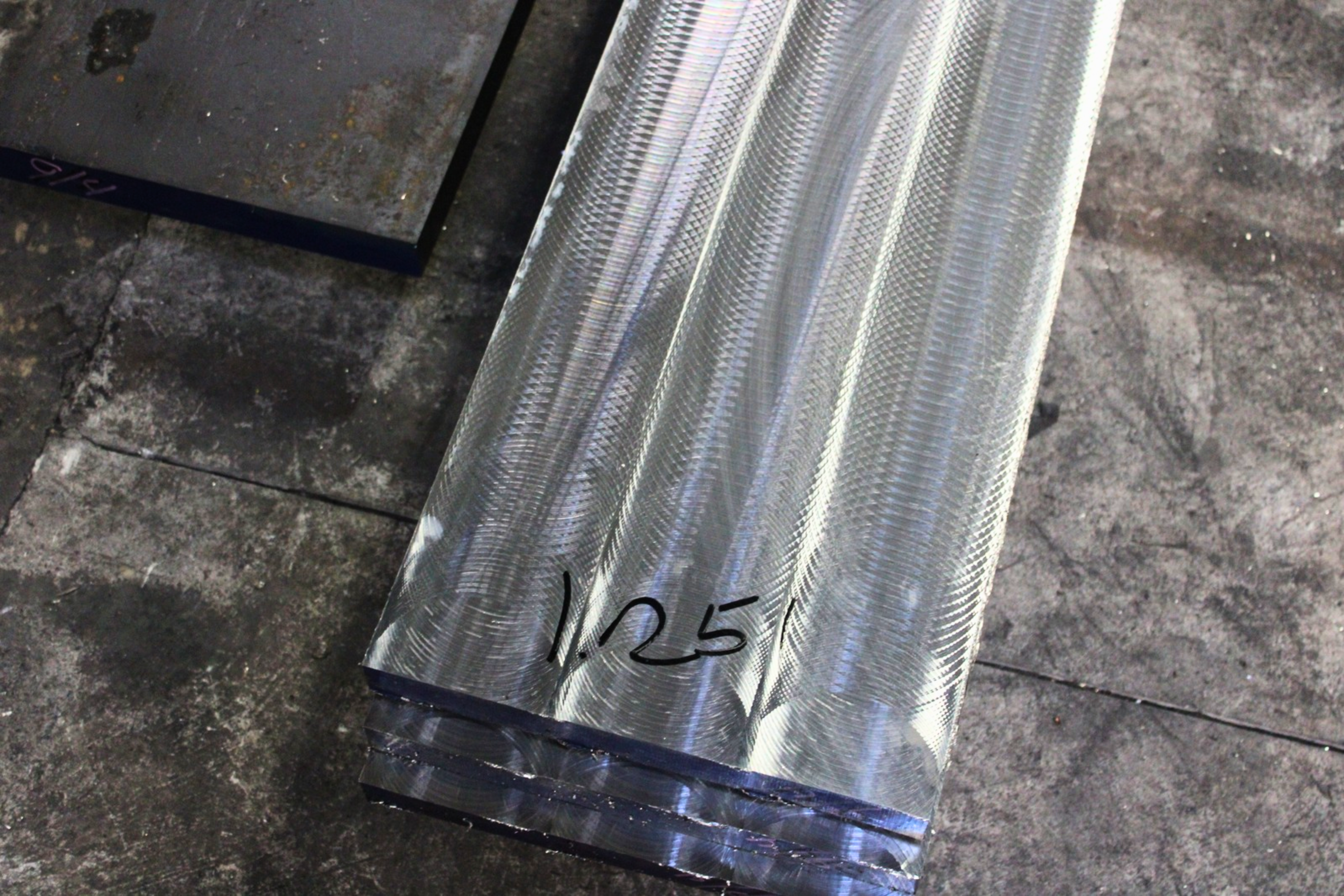
A milled specialty metal plate shows the machined surface prepared for additional grinding or finishing operations.
Why Does Milling Occur Before Grinding?
When specialty metal plate requires both milling and grinding, milling typically occurs first. The two processes perform different jobs but can work together toward the customer's finished requirements.
Milling is suited to heavier stock removal. It removes scale-related imperfections, surface defects, and affected outer material efficiently while leaving the plate slightly oversized.
Grinding then performs the more precise finishing work. It brings the material to the required thickness and helps achieve the specified flatness, parallelism, and surface condition.
Bob explains that milling creates a more consistent starting condition for grinding, where the customer’s final thickness and tolerance are achieved. Using milling for heavier material removal first allows grinding to focus on the tighter dimensional and surface requirements of the finished plate.
How Does In-House Milling Benefit the Customer?
Keeping milling and grinding in-house allows Niagara to manage both stages as one connected finishing process.
After milling removes the heavier unwanted surface material, the plate can move directly into grinding without being sent to another processor. That reduces outside handoffs and allows Niagara to maintain control of the material as it progresses from surface preparation into grinding or other finishing operations.
For the customer, the benefit is a simpler supply chain and finished plate supplied closer to the required thickness, flatness, parallelism, and surface condition.
Milling Prepares Specialty Plate for Further Processing
The metal milling process gives Niagara an efficient way to remove heavier surface material before grinding or other finishing operations.
Different alloys and plate conditions require different milling considerations, making experienced operators important throughout the process. Once milling is complete, the plate moves directly to grinding, where the final dimensional and surface requirements can be achieved.
For customers, combining both operations in-house helps turn specialty plate with an unfinished surface into material prepared to meet the tighter requirements of the finished order.
About the Guests
Bob Shabala is the President and CEO of Niagara Specialty Metals. His experience across Niagara’s specialty metal processing operations gives him a broad understanding of how material moves through production and how each process supports quality, traceability, efficiency, and customer requirements. Throughout the Process Series, Bob helps explain why each operation matters and how Niagara approaches specialty metal processing from the customer’s perspective.
Justin Thomas has worked at Niagara Specialty Metals for nearly a decade, beginning as a temporary employee while attending college before joining the company full-time after graduating from the University at Buffalo in 2018. His production experience includes working with Niagara’s milling equipment and a wide range of specialty alloys. That hands-on experience helps him recognize how different materials respond during machining and how factors such as surface condition and chip characteristics can provide feedback during the milling process.
Follow the Inside Niagara: Process Series and check out our YouTube channel for more content!
Looking to learn more about specialty metal processing? Check out these related blogs:
Finish Rolling: How the Sheet Mill Controls Specialty Metal Thickness
Metal Sandblasting: Surface Preparation for Specialty Sheet and Plate
Plate Flattening: Roller Leveling and Press Flattening for Specialty Metals
For more information, check out our other blogs.
Click here to view our product catalog at our updated e-commerce store!
Interested in additional information on knife steel or CPM® MagnaCut stainless steels? Click here!