Finish Rolling: How the Sheet Mill Controls Specialty Metal Thickness
Nov 2nd 2026
The Plate Mill begins the work of reducing a thick billet into plate or intermediate material. When an order requires thinner sheet dimensions, finish rolling provides the additional control needed to bring that material closer to the customer’s required thickness and shape.
At Niagara Specialty Metals, the Sheet Mill is used for this finer stage of rolling. The Plate Mill can efficiently handle the heavier reductions earlier in production, while the Sheet Mill becomes more effective as the material gets thinner. At that point, careful control becomes increasingly important because relatively small changes during rolling can have a larger effect on final dimensions and shape.
Niagara President and CEO Bob Shabala and Assistant Roller Mike Vogt explain what happens during finish rolling, why different alloys require different approaches, and how the Sheet Mill helps prepare specialty metal for customer requirements.
What Is the Purpose of Finish Rolling?
By the time material reaches the Sheet Mill, much of its overall width and shape has already been established. Finish rolling continues reducing the thickness and extending the material toward the sheet dimensions required by the order.
Tim Gelnett explained that material intended for thinner products is first reduced at the Plate Mill, then may move through operations such as annealing and shot blasting before being transferred to the Sheet Mill for additional reduction.
At this point in production, the material has already been developed significantly in width and overall shape. The Sheet Mill's role is primarily to continue reducing thickness and extending the material toward its finished dimensions.
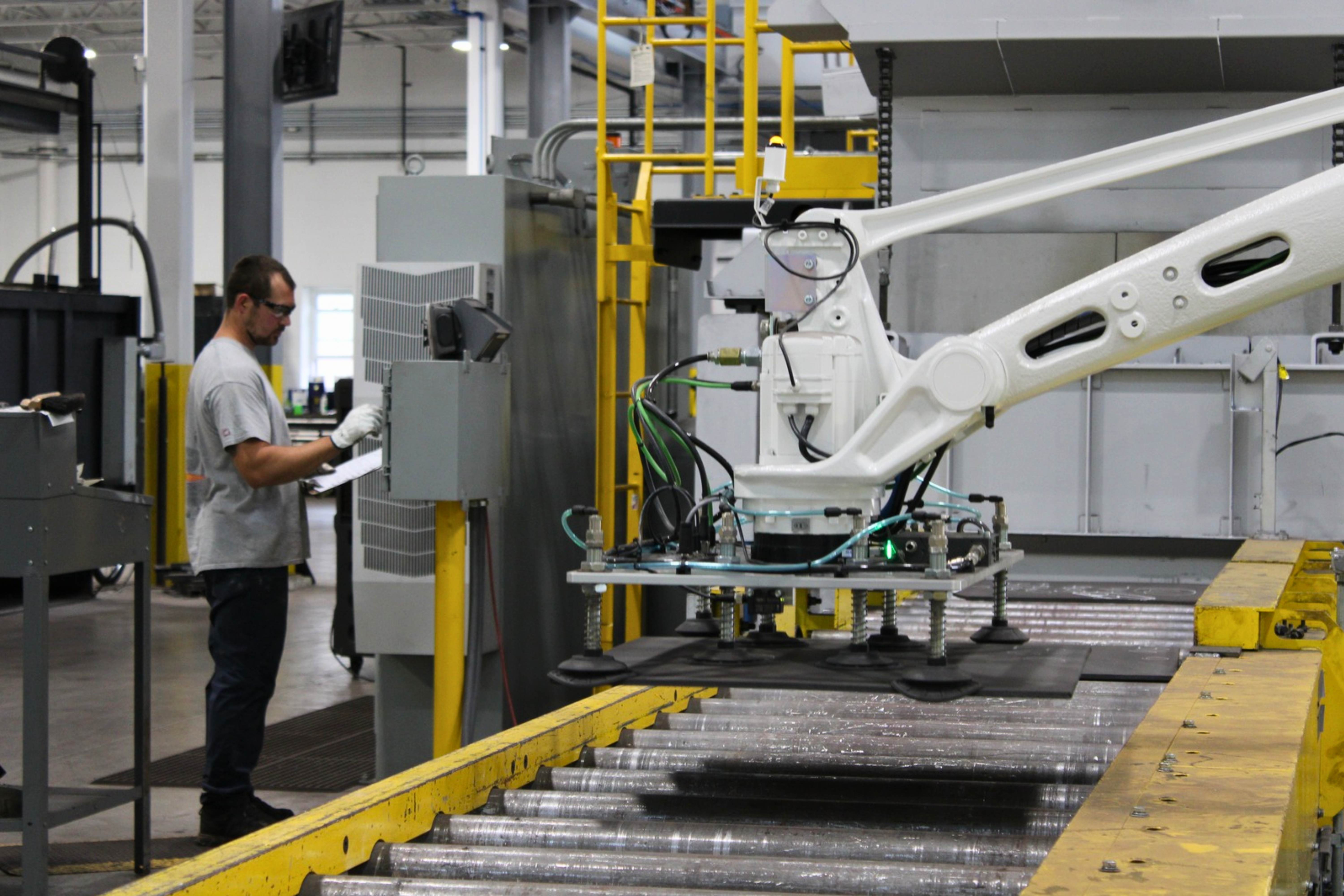
Automated material handling helps move specialty metal into the Sheet Mill for finish rolling.
Why Does Thickness Require More Control as Material Gets Thinner?
As specialty metal becomes thinner, small changes during rolling can have a greater effect on the finished sheet.
Bob explains that Niagara measures and controls the material throughout finish rolling to remain within the required thickness range. The thinner the material becomes, the more important consistency becomes from one reduction to the next.
Mike sees that relationship firsthand as an Assistant Roller. The Sheet Mill receives material in intermediate dimensions and progressively reduces it based on the requirements of the individual order.
This is where finish rolling differs from simply making material thinner. The objective is to reach the required thickness while also maintaining the overall condition of the material.
Controlling the final dimensions requires both equipment capability and an operator who understands how the material is responding.
Why Do Different Alloys Require Different Rolling Approaches?
There is no single rolling approach that works equally well for every specialty metal.
Different alloys vary in strength, hardness, hot-working behavior, and susceptibility to cracking or distortion. Bob notes that some materials can tolerate greater reductions, while others require a more conservative approach or additional processing between rolling stages.
Mike describes it simply: every alloy has its own “flavor.”
Two orders can even involve the same alloy and finished thickness while behaving differently because their starting dimensions are not identical. The width and thickness produced during earlier processing affect how the material responds once it reaches the Sheet Mill.
That makes knowledge from earlier operations valuable at this stage. Operators are not just looking at the desired final thickness. They are also considering the grade, starting condition, dimensions, and how the material reacts as it moves through the mill.
What Are Operators Watching Besides Thickness?
Thickness is one of the primary requirements during finish rolling, but it is not the only one.
Operators also monitor width, shape, flatness, surface condition, and overall consistency. A sheet can technically reach its required thickness and still require additional processing before it satisfies the customer’s finished requirements.
Mike also watches how the material enters and exits the mill. Some materials remain relatively stable, while others may dive, distort, or show signs that the rolling approach needs to be adjusted.
The goal is to recognize those changes while the material is being processed rather than focusing only on a final measurement.
That operator awareness is especially important with specialty alloys because the same rolling conditions can produce different responses from different materials.
Why Does Roll Condition Matter?
The condition of the mill rolls can directly influence the surface and consistency of the material being produced.
Rolling places substantial forces on the equipment, and over time the working surfaces of the rolls can develop wear or marks. If those imperfections remain, they can be transferred to the specialty metal being processed.
For that reason, Niagara regularly removes and refinishes Sheet Mill rolls as their condition requires. Tim explained that the rolls are ground in-house so their surfaces and dimensions can be restored before returning to production.
Mike participated in a roll change the same morning as his Process Series interview. Improvements to the mill housing have also made that maintenance process more efficient than it was in the past.
Maintaining the equipment is part of maintaining the finished material.
What Happens After Finish Rolling?
Finish rolling is an important stage, but it is not necessarily the final operation for the material.
Depending on the order, material coming from the Sheet Mill may be flattened, sheared, annealed, sandblasted, ground, cut, or prepared through another finishing operation before shipment.
Mike explained that material is commonly flattened and sheared after rolling. Certain orders are then accumulated for annealing before moving into the surface preparation and final finishing steps required for that product.
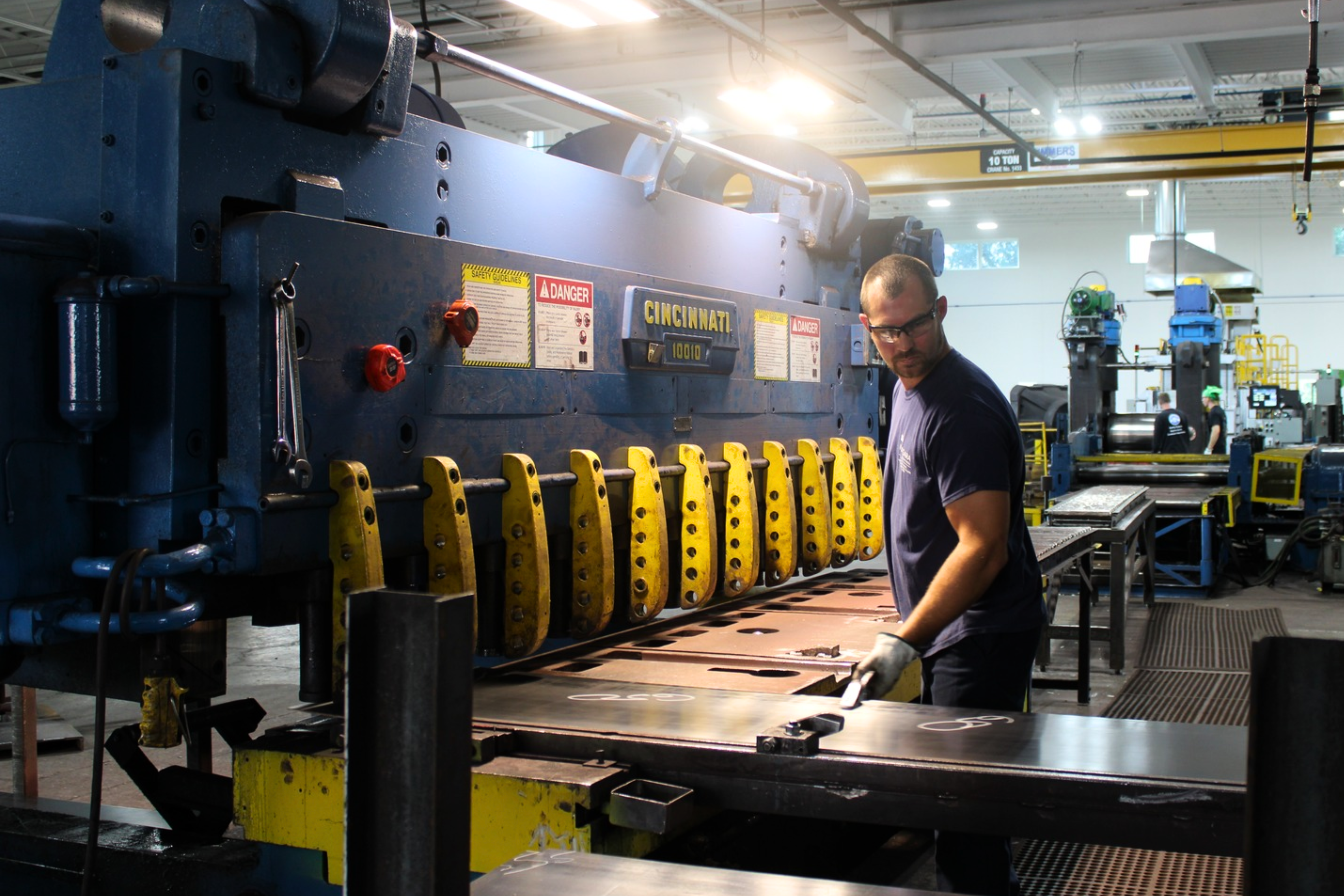
After finish rolling, specialty metal can be flattened and sheared to the dimensions required for the order.
Justin Thomas also described Sheet Mill material moving into later annealing and surface-cleaning operations after finish rolling, particularly when the material needs additional conditioning before final processing.
As with every process in the Inside Niagara series, the exact route depends on the individual order. Not every sheet follows the same sequence or requires every finishing operation.
How Does Finish Rolling Help the Customer?
Ultimately, the value of finish rolling is in the condition of the material Niagara can provide to the customer.
Consistent thickness and shape make specialty metal easier to move into later manufacturing operations such as cutting, machining, forming, grinding, or fabrication. The closer Niagara can control the material during rolling, the less corrective processing the customer may need to perform after delivery.
That does not mean finish rolling creates every final characteristic by itself. Flatness, surface finish, exact dimensions, and other requirements may still be addressed through later Niagara operations.
Instead, the Sheet Mill provides an important foundation by bringing thinner specialty metal closer to the dimensional condition the customer needs.
Finish Rolling Brings Specialty Metal Closer to Its Final Dimensions
The Sheet Mill builds on the work completed earlier in production by reducing specialty metal to thinner sheet dimensions while controlling the characteristics that matter as material approaches its finished condition.
Different alloys and starting dimensions can require different approaches, which makes operator experience an important part of successful finish rolling.
For customers, the objective is straightforward: receive specialty metal with consistent dimensions and condition so it can move efficiently into the next manufacturing operation.
About the Guests
Bob Shabala is the President and CEO of Niagara Specialty Metals. His experience across Niagara’s specialty metal processing operations gives him a broad understanding of how material moves through production and how each process supports quality, traceability, efficiency, and customer requirements. Throughout the Process Series, Bob helps explain why each operation matters and how Niagara approaches specialty metal processing from the customer’s perspective.
Mike Vogt has worked at Niagara Specialty Metals for approximately five and a half years. He began training in the mill before gaining experience across several production operations, including flattening, milling, grinding, and the Plate Mill. After working throughout different areas of production, Mike moved into the Sheet Mill full time and now serves as an Assistant Roller. His experience across multiple operations gives him a practical understanding of both how material reaches the Sheet Mill and what is required after finish rolling.
Follow the Inside Niagara: Process Series and check out our YouTube channel for more content!
Looking to learn more about specialty metal processing? Check out these related blogs:
Hot Rolling Process: How the Plate Mill Shapes Specialty Metals
Metal Annealing Process: Why It Matters for Specialty Alloys
Shot Blasting: Removing Scale Before Finish Rolling
For more information, check out our other blogs.
Click here to view our product catalog at our updated e-commerce store!
Interested in additional information on knife steel or CPM® MagnaCut stainless steels? Click here!