Shot Blasting: Removing Scale Before Finish Rolling
Oct 26th 2026
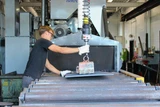
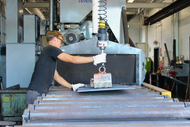
Shot blasting removes oxide scale from specialty metal so the surface is clean before additional rolling or finishing. At Niagara Specialty Metals, the process is often used after hot rolling and annealing, when heating can leave a layer of oxide scale on the material.
Removing that scale at the right time matters because surface conditions created earlier in production can affect what happens later. If heavy scale remains when material is rolled again, those oxides can be pressed into the surface and create defects.
For many orders, shot blasting prepares material for finish rolling. Niagara also uses the process on certain plate products, including some stainless and titanium material.
Niagara President and CEO Bob Shabala and production team member Andrew Meier explain why shot blasting is an important surface-preparation step and how Niagara decides when the process is appropriate.
What Does Shot Blasting Remove?
Shot blasting primarily removes oxide scale and surface residue created during heating and hot processing.
During hot rolling and annealing, the surface of specialty metal can oxidize. That creates a scale layer that remains on the outside of the material after it cools.
Andrew describes the material entering shot blast as carrying scale from earlier annealing and hot rolling. The purpose of the process is to remove that layer before later operations.
Justin Thomas described the visual difference: material can enter the process dark and scaled and leave with a cleaner, matte gray appearance.
Removing the scale also exposes the underlying metal. That gives operators a cleaner surface to inspect before the material continues through production. Bob explains that scale and residue can otherwise hide surface conditions that need to be identified.
Why Is Scale Removed Before Finish Rolling?
Scale removal helps prevent oxides from being rolled into the material during later reductions.
This is one of the most important reasons Niagara uses shot blasting between earlier hot processing and finish rolling.
Tim Gelnett and Justin Thomas both emphasized that scale left on the material can be pressed into the surface during later rolling. Shot blasting removes that buildup before the material continues toward the sheet mill or another finish-rolling operation.
Bob summarizes the customer-facing reason clearly: removing scale creates a cleaner starting surface for whatever processing comes next.
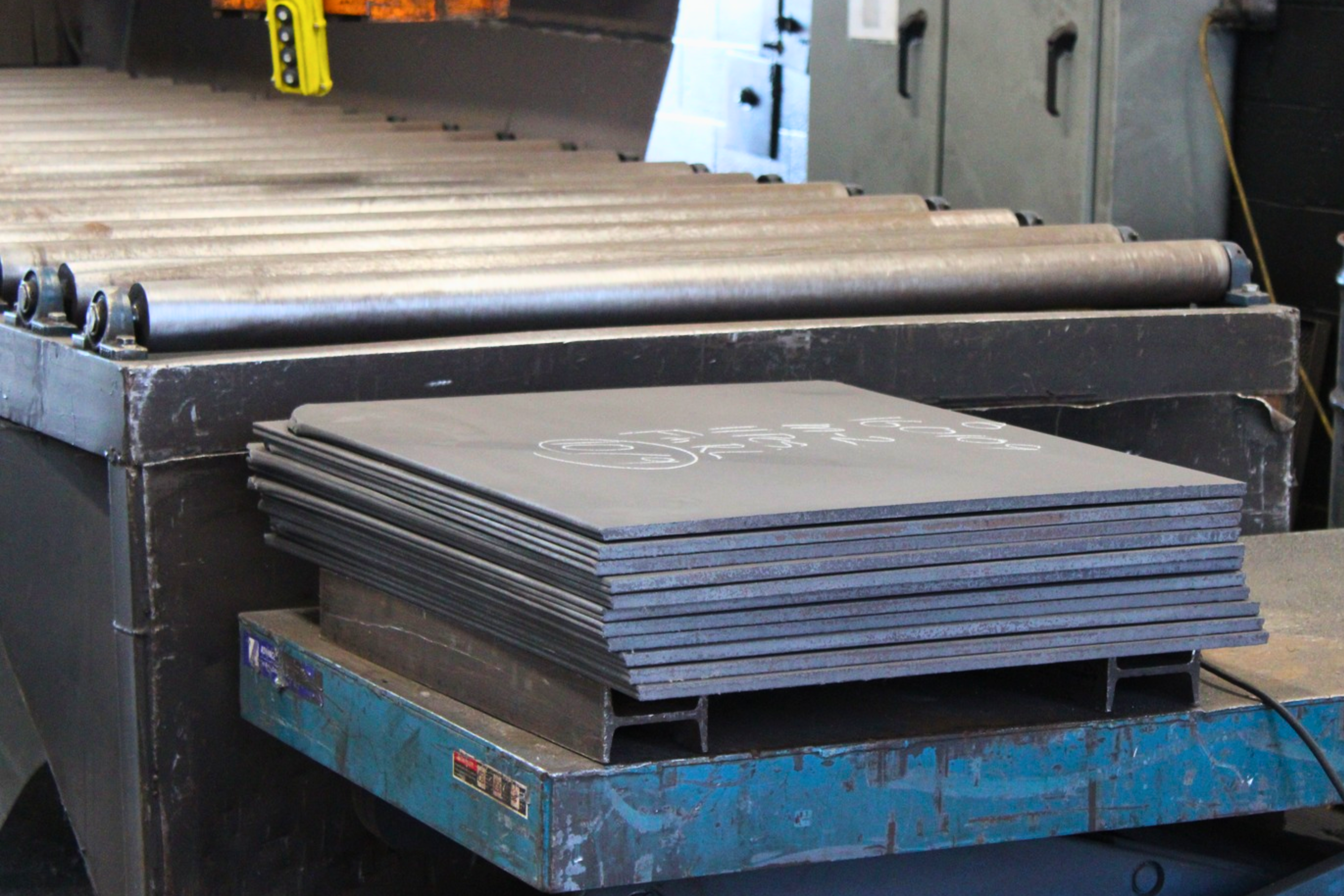
Shot-blasted specialty metal plates have a cleaner surface before moving into the next required processing operation.
That is important because surface quality is built throughout the manufacturing route rather than created by one final operation.
How Does Shot Blasting Clean the Surface?
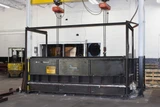
Niagara’s shot-blasting process uses stainless steel abrasive media that is propelled against the material to mechanically remove scale.
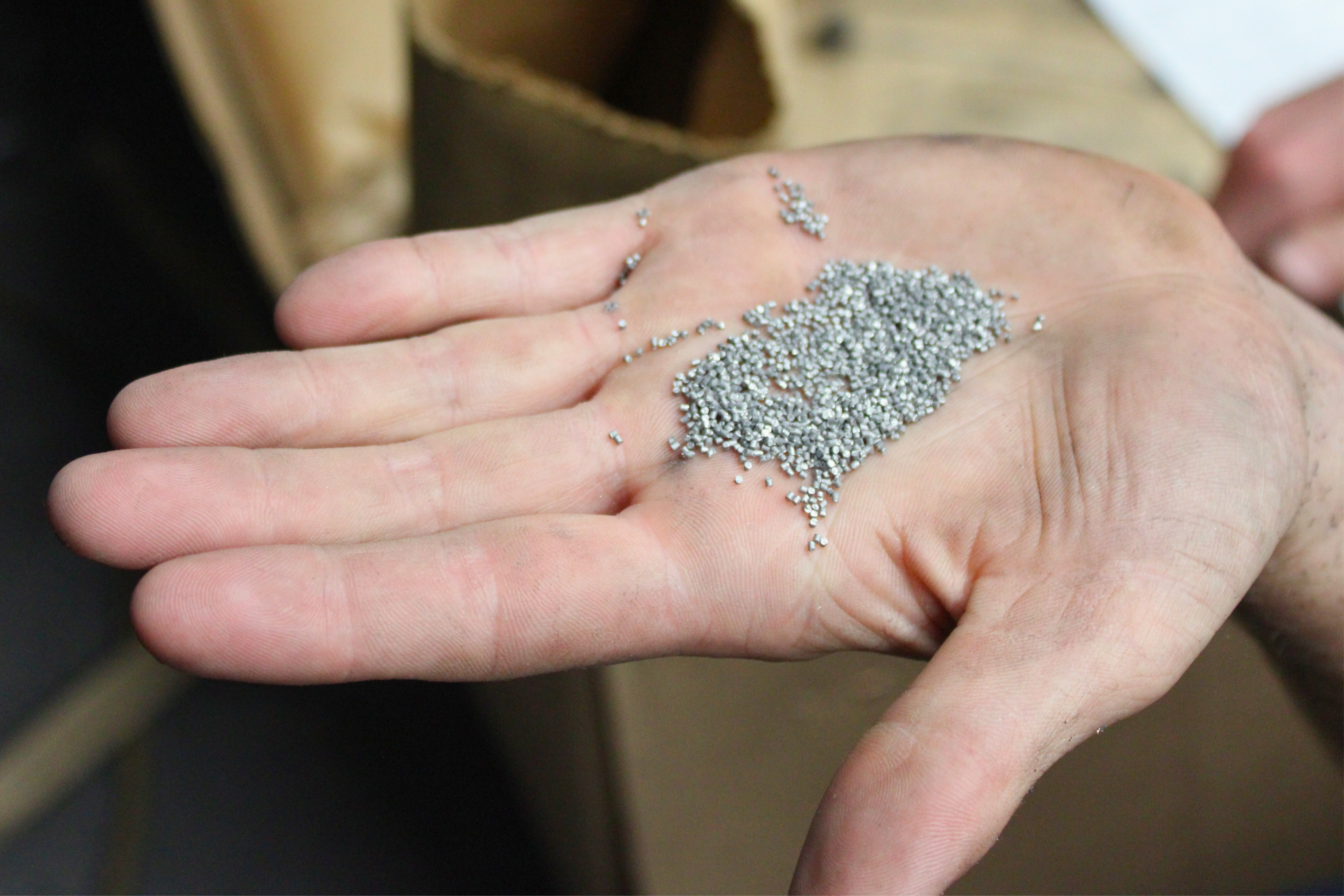
Stainless steel abrasive media used in Niagara’s shot-blasting operation.
Justin explained that the machine directs the media against the surfaces of the material, breaking away the scale as the plate moves through the equipment. The media continues circulating through the system as the process operates.
Unlike a finishing operation that removes controlled amounts of base material to reach a final dimension, the primary purpose here is surface cleaning.
The result is a cleaner exposed metal surface that can continue into the next required operation.
Why Is Shot Blasting Better Suited to Some Material Than Others?
Shot blasting is a relatively aggressive surface-cleaning process, so the material itself helps determine whether it is the right choice.
Andrew explained that thicker-gauge material generally handles the process better. Very thin material can be more sensitive to the force applied during blasting and may be more susceptible to distortion. Softer, thinner material can also require a gentler approach.
Justin made the same distinction during his tour, noting that shot blasting is more aggressive than sandblasting and is generally better suited to heavier material. That means Niagara does not automatically send every order through the same surface-cleaning process.
The material thickness, condition, and requirements of the order help determine which method makes the most sense.
What Is the Difference Between Shot Blasting and Sandblasting?
Shot blasting and sandblasting both clean specialty metal surfaces, but they serve different processing needs.
Bob explains that shot blasting is typically used for heavier scale removal, while sandblasting provides more controlled surface cleaning later in the process.
Andrew also described sandblasting as the gentler option when material is too thin or sensitive for the more aggressive shot-blasting process.
This gives Niagara flexibility to match the surface-cleaning method to the material and the stage of processing.
How Does Shot Blasting Support Surface Quality?
For customers, the value of shot blasting is not simply that the material looks cleaner.
Removing scale at the correct stage helps prevent surface defects from being carried forward into later operations.
A cleaner surface also allows Niagara’s operators to see the condition of the metal more clearly before additional processing. Bob notes that this can make surface conditions easier to identify rather than leaving them hidden underneath oxide scale.
That becomes especially important when material will continue into finish rolling, where existing surface contamination can affect the condition of the finished sheet or plate.
Shot blasting therefore supports a broader approach to surface quality: address surface conditions when they occur instead of relying on one final operation to correct everything at the end.
Shot Blasting Prepares the Surface for What Comes Next
Shot blasting plays an important role between earlier hot processing and the operations that follow. By removing scale at the appropriate stage, Niagara can prepare specialty metal for additional rolling, finishing, or other required processing.
Not every order follows the same manufacturing route, and not every material is suited to the same cleaning method. The goal is to choose the surface-preparation process that supports the material and the customer’s finished requirements.
About the Guests
Bob Shabala is the President and CEO of Niagara Specialty Metals. His experience across Niagara’s specialty metal processing operations gives him a broad understanding of how material moves through production and how each process supports quality, traceability, efficiency, and customer requirements. Throughout the Process Series, Bob helps explain why each operation matters and how Niagara approaches specialty metal processing from the customer’s perspective.
Andrew Meier has worked at Niagara Specialty Metals for four years and is approaching his fifth year with the company. His production experience has taken him to several areas throughout the plant, including saw cutting, flattening, shearing, the sheet mill, and shot blasting. That cross-training gives him firsthand experience with how shot blasting fits between earlier hot processing and the operations that follow.
Follow the Inside Niagara: Process Series and check out our YouTube channel for more content!
Looking to learn more about specialty metal processing? Check out these related blogs:
Billet Saw Cutting: Why the First Step Matters
Hot Rolling Process: How the Plate Mill Shapes Specialty Metals
Metal Annealing Process: Why It Matters for Specialty Alloys
For more information, check out our other blogs.
Click here to view our product catalog at our updated e-commerce store!
Interested in additional information on knife steel or CPM® MagnaCut stainless steels? Click here!