Metal Annealing Process: Why It Matters for Specialty Alloys
Oct 19th 2026
The annealing process helps Niagara Specialty Metals control the condition of specialty alloys at different points in production. Depending on the order, annealing can restore workability for additional processing or help establish the condition required for the finished material.
Rolling and other manufacturing operations can change the material’s hardness, ductility, and internal stress. Annealing gives Niagara a way to manage those changes based on the alloy and the requirements of the customer’s order.
Niagara President and CEO Bob Shabala and longtime employee Stephano Anzalone explain why annealing matters, why different alloys require different approaches, and how intermediate and final annealing serve different purposes.
What Does Annealing Accomplish?
Annealing changes the condition of specialty metal so it can meet the requirements of the next stage of the order.
Rolling works and hardens material. For some alloys, additional reduction can eventually become difficult if the material becomes too hard or loses too much ductility. Bob explains that “rolling works and hardens the material. An intermediate anneal softens it and restores enough ductility for additional reduction.”
Annealing also helps relieve stresses created during earlier processing and gives the material a more consistent condition. That can be important when an order requires additional rolling, flattening, cutting, or other finishing work.
Stephano Anzalone describes the furnace operation in practical terms: the material is heated through the required annealing cycle to soften it for the processing the order may require next.
The customer benefit is a material condition that is better suited to the manufacturing work still required.
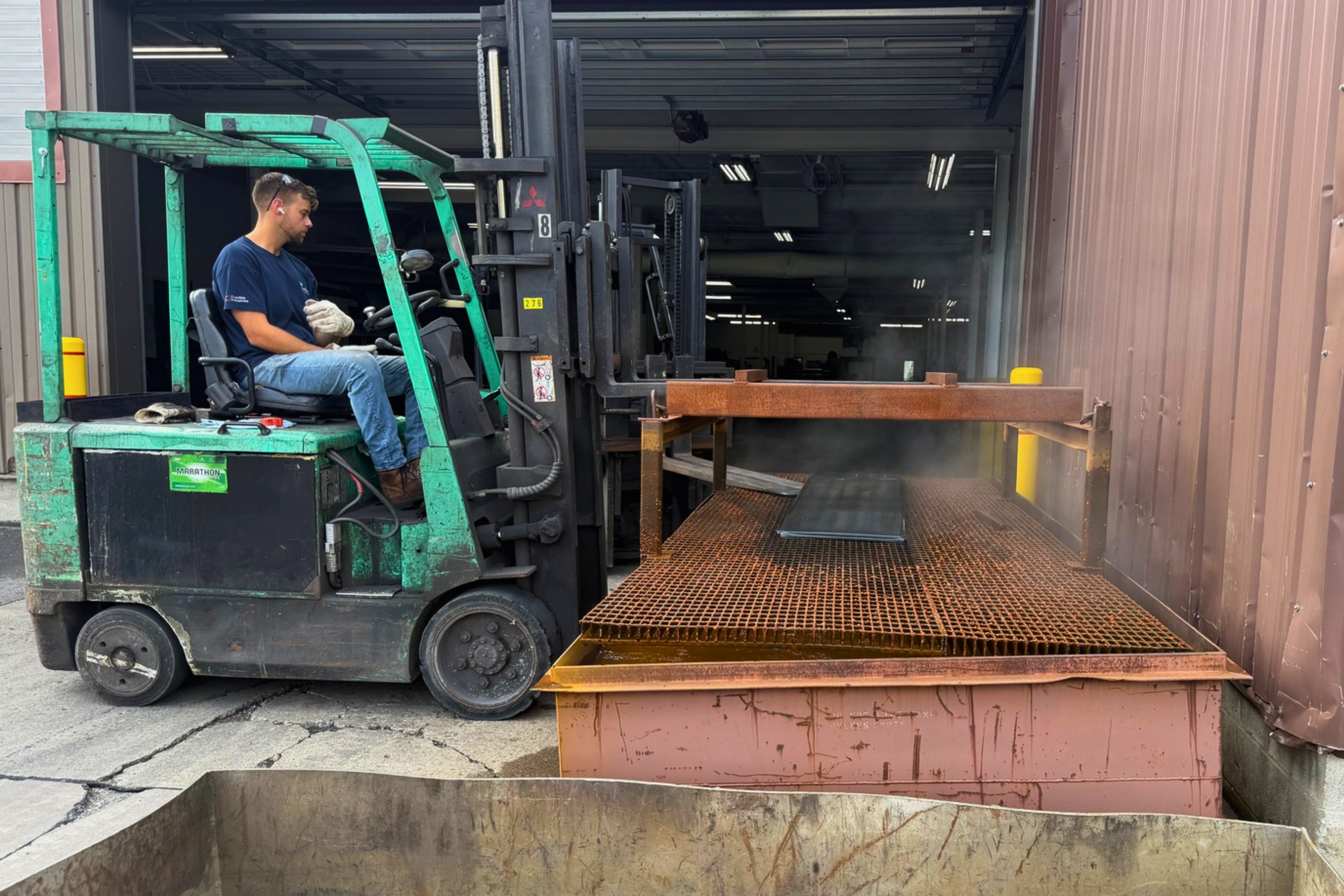
Annealed specialty metal is removed from the water bath after exiting the furnace and is prepared for further processing.
Why Does the Annealing Process Change for Different Alloys?
Different specialty alloys respond differently to temperature and time, so the same annealing approach cannot be applied to every material.
Bob explains that the appropriate process depends on factors such as alloy chemistry, material thickness, prior processing, and the properties required after annealing. This matters because two materials may appear similar while responding very differently during heat treatment.
Niagara develops its annealing practices around the specific alloy and the requirements of the order rather than applying one universal cycle.
For the customer, that experience helps provide a more consistent material condition appropriate for the intended application.
What Is the Difference Between Intermediate and Final Annealing?
An intermediate anneal prepares material for more processing, while a final anneal helps establish the condition required for the finished product.
This is an important distinction because annealing may happen more than once during production.
- An intermediate anneal occurs when the material still needs additional work. Its main purpose is to restore enough workability for continued rolling or other processing.
- A final anneal takes place later and focuses on the condition required for the completed material.
Bob stated that “a final anneal establishes the condition and properties required for the finished product, including hardness and workability.” Therefore, the same general concept serves different purposes depending on where the material is in its production route.
The distinction is important because the purpose of the anneal depends on where the material is in its production route. Intermediate annealing supports continued processing, while final annealing helps establish properties such as hardness and workability in the finished material.
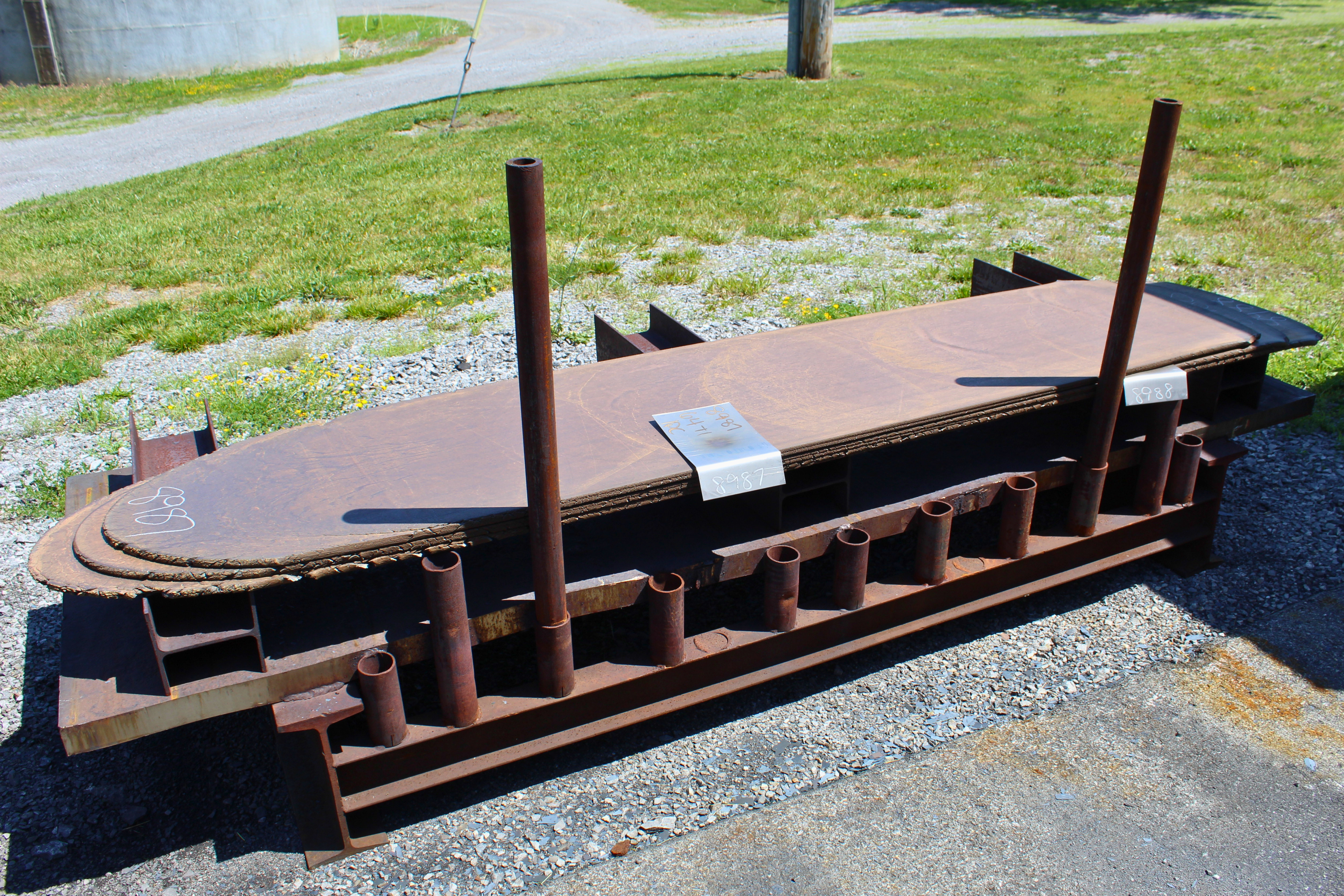
Annealed specialty metal is stacked and ready to move into the next stage of production.
How Does Proper Annealing Affect the Customer’s Material?
Proper annealing helps provide more consistent hardness, workability, and material properties across sheet or plate.
Those characteristics matter when customers begin their own manufacturing operations. Depending on the application, they may machine, form, cut, or heat treat the material after it arrives. Bob explains: “That consistency becomes important when our customers machine, form, cut, or heat treat the material themselves.”
Material condition that varies significantly can make those downstream operations more difficult to control. Consistent annealing therefore helps give customers a more predictable starting material for their own process.
Heating can also create oxide scale on the material surface. For orders requiring further rolling or finishing, that scale may need to be removed through a surface-cleaning operation such as shot blasting before processing continues.
Annealing Helps Establish the Right Material Condition
Annealing allows Niagara to control material condition at different points in production. Depending on the order, it may restore workability for additional processing or help establish the properties required for finished material.
Because specialty alloys respond differently to heat, the appropriate annealing approach depends on the material, its processing history, and the customer’s requirements.
For customers, the result is specialty metal supplied in a more consistent condition for the manufacturing work it needs to perform next.
About the Guests
Bob Shabala is the President and CEO of Niagara Specialty Metals. His experience across Niagara’s specialty metal processing operations gives him a broad understanding of how material moves through production and how each process supports quality, traceability, efficiency, and customer requirements. Throughout the Process Series, Bob helps explain why each operation matters and how Niagara approaches specialty metal processing from the customer’s perspective.
Stephano Anzalone has worked at Niagara Specialty Metals for nearly nine years and has spent most of that time working around Niagara’s rolling operations. His hands-on experience includes preparing and handling specialty metal through the annealing stage, giving him firsthand knowledge of how annealing restores a more workable material condition for the processing an order may require next.
Follow the Inside Niagara: Process Series and check out our YouTube channel for more content!
Looking to learn more about specialty metal processing? Check out these related blogs:
Billet Saw Cutting: Why the First Step Matters
Hot Rolling Process: How the Plate Mill Shapes Specialty Metals
Steel Toughness vs Strength: What’s the Difference?
For more information, check out our other blogs.
Click here to view our product catalog at our updated e-commerce store!
Interested in additional information on knife steel or CPM® MagnaCut stainless steels? Click here!